

We partner with ChildSafe to help protect children, and support action against all forms of contemporary slavery.
Working alongside ChildSafe Movement, we promote ways of keeping children safe, as sadly many children today are victims of sex tourism. Tourism is not the cause of these crimes, but many offenders travel to commit abuse. As part of our agreement with ChildSafe, we are onboarding our staff and guides through dedicated training programs.
1
Avoid visiting places like orphanages or schools as part of your travel experience, and always ask permission before taking photos. Children deserve privacy, dignity and respect, just like they would at home.
2
Short-term volunteering in orphanages or schools can disrupt children’s development and wellbeing. Instead, look for responsible ways to support organisations, such as contributing skills or resources that empower trained local professionals.
3
When you give money, food or gifts to begging children or buy anything from them, you encourage them to continue begging. This prevents them from going to school and locks them into a cycle of poverty.
4
Some children sell goods at tourist sites or offer their services as guides. Others are hired in tourism businesses like hotels or restaurants, and this is a problem when it hurts their education.
5
Sexual exploitation of children is a devastating reality. It can happen in hotels, bars and restaurants, for example. You may be approached and offered sex with children. When you see such a situation, don’t put yourself at risk. Call a child protection hotline, contact a local organisation or the police.
6
When faced with a child at risk your natural reaction is to help directly. However, you do not know the local realities, may lack the expertise needed, put yourself at risk, or even break local laws. So, who can you call? The local professionals!
7
When you travel you want to enjoy all the natural beauty a country can offer and so do the children and people of that country. As our collective future is at risk from climate change, pollution and other negative human-made impacts, think how you can take positive steps to protect the environment so children can build their futures.
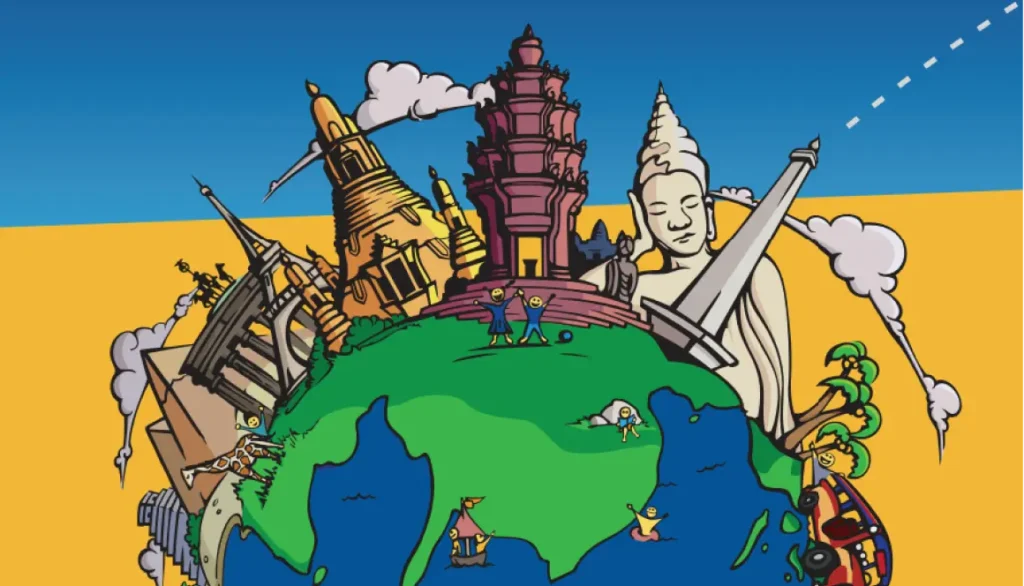
Protecting children is a shared responsibility. The ChildSafe movement explains how simple actions can help create safer travel experiences and stronger communities for children everywhere.
Contemporary slavery takes various forms and affects people of all ages, gender and races. If you suspect that someone is in slavery, do not confront them or cause a scene as this will likely lead to increased harm for them. Instead, inform relevant authorities or organisations working in the field. Signs that someone may be experiencing modern slavery include the following:
Awareness plays an important role in helping protect vulnerable individuals from exploitation and abuse. Understanding the warning signs of modern slavery can help support those at risk and encourage more responsible travel and business practices.
Explore the latest sustainability initiatives, community partnerships, certifications, and responsible travel stories from across our destinations.