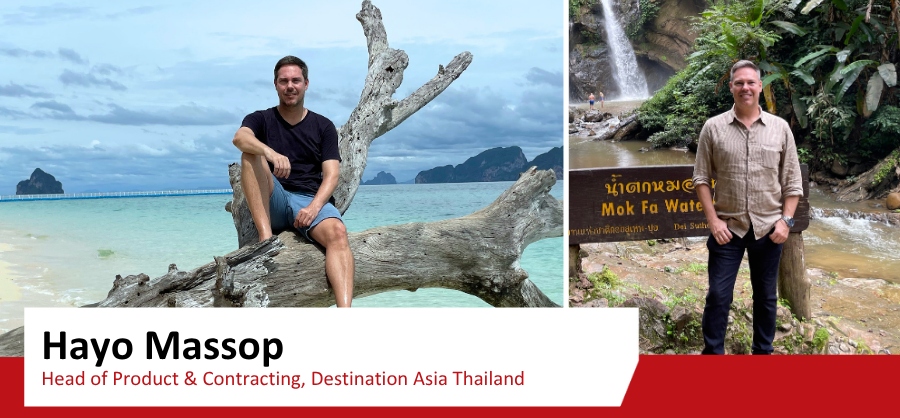
We spoke to Hayo, who has been with Destination Asia for over eight years. In his role as Head of Product & Contracting in Thailand, he works closely with our local teams and partners to develop experiences that respond to changing traveller expectations, while ensuring they are commercially viable, operationally reliable and create meaningful value for the destinations we visit.
Thailand remains one of Asia’s most popular destinations. How have traveller expectations evolved in recent years, and what trends are shaping visitor experiences?
While first-time visitors to Thailand still want to see the well-known highlights, we are seeing a clear shift towards more personalised, meaningful and flexible travel. Travellers increasingly want to experience a different side of Thailand rather than simply ticking off the main attractions.
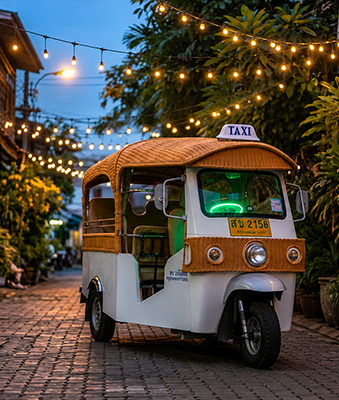
We try to build on the classic experiences by adding small details that make them more memorable. A standard Bangkok city tour, for example, can be enhanced with something as simple as learning how to fold lotus leaves before offering them at a temple, or adding a short tuk-tuk ride between sites.
Street food, local neighbourhoods, community tourism, cultural events and festivals, nature-based adventures and smaller encounters with Thai culture are all becoming increasingly popular. Wellness is also growing, building on Thailand’s traditional strengths in spas and massage while connecting these experiences with nature, gastronomy and local culture.
There is also a growing interest in slower travel. Rather than trying to fit every attraction into a short itinerary, travellers are looking for more time, depth and flexibility. Authenticity is important, but so is comfort. People want to explore local communities and less-developed destinations while still expecting good accommodation, connectivity, safety and reliable service.
How do you incorporate sustainability and responsible tourism principles into the experiences you develop?
When developing new excursions and experiences, I see sustainability as part of the product design itself, rather than something added afterwards. I will focus on four areas:
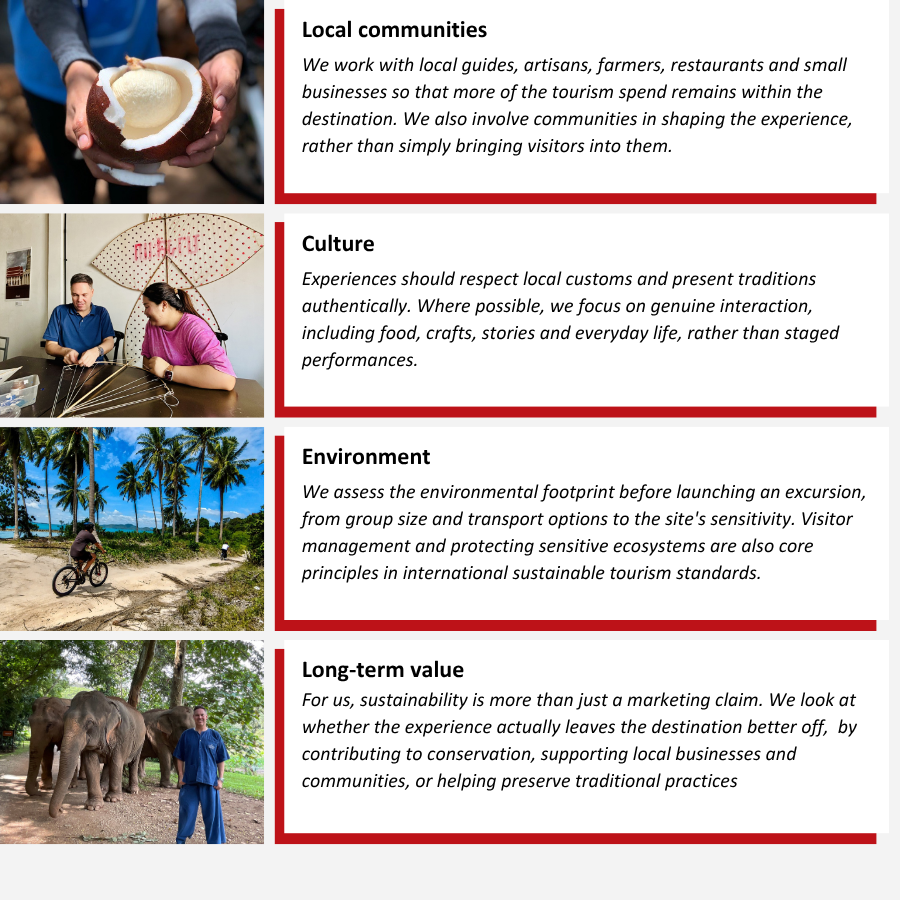
Frameworks such as the GSTC standards for Tour Operators are useful because they consider areas including sustainable management, socioeconomic and cultural benefits, and environmental impacts. We consider factors such as group size, transport, waste, resource use and the impact an activity may have on sensitive sites or communities.
Which types of experiences are proving most popular with international travellers right now, and why do you think they are resonating so strongly?
The biggest shift is towards slower and more intentional travel. Travellers increasingly want to connect with local people and culture, stay longer in one place and return home with memories rather than simply a list of attractions they have visited.
There has been a change from asking, “What can I see?” to asking, “What will I remember?” Experiences that combine several motivations are particularly successful. A morning market visit followed by a cooking experience with a local chef, for example, can bring together food, culture, human connection and a stronger sense of place.
A home-hosted lunch or dinner in Chiang Mai is another good example. Guests can visit a real local home, meet the family, cook together and enjoy a home-cooked meal. Similarly, a nature trek can incorporate elements of wellness and conservation rather than simply being a sightseeing activity.
The opportunity lies in moving beyond suggesting individual attractions and create meaningful journeys that feel distinctive to Thailand and are difficult to replicate elsewhere.
Can you share an example of a new experience your team developed in response to client or traveler feedback?
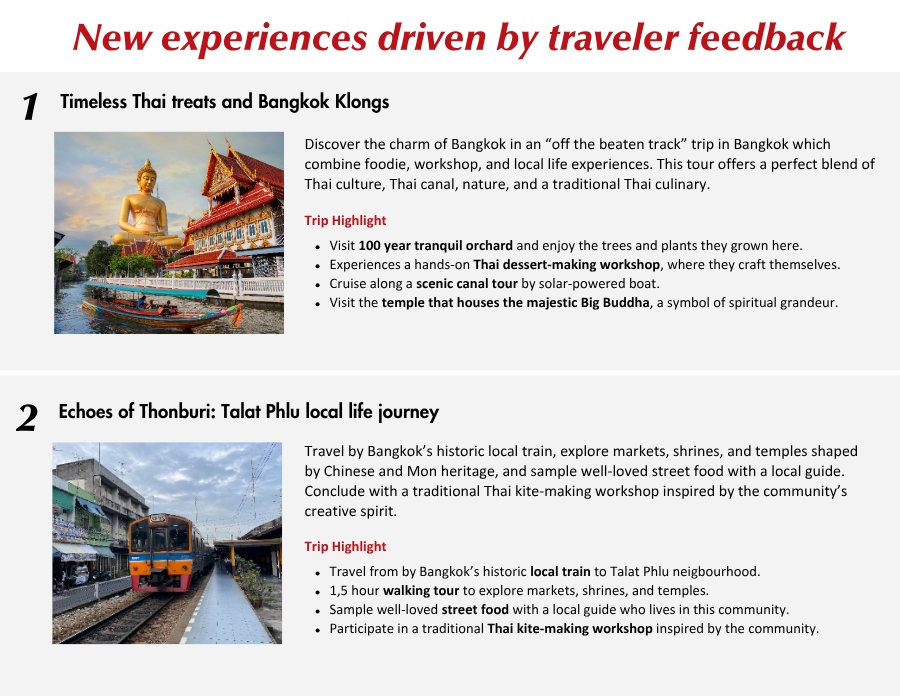
We are seeing more guests looking for unique locations away from the main tourist routes, particularly when they can combine food with an insight into local life. In response, we have developed new experiences in Bangkok that reflect this demand, giving travellers the opportunity to explore a less familiar side of the city while connecting with its local food and communities.
What does “seeing Thailand” mean to you personally, and how do you bring that perspective into the products you create?
For me, “seeing Thailand” is about experiencing the country rather than simply visiting it. I want our guests to discover a side of Thailand that goes beyond the perception of it as a mass tourism destination.
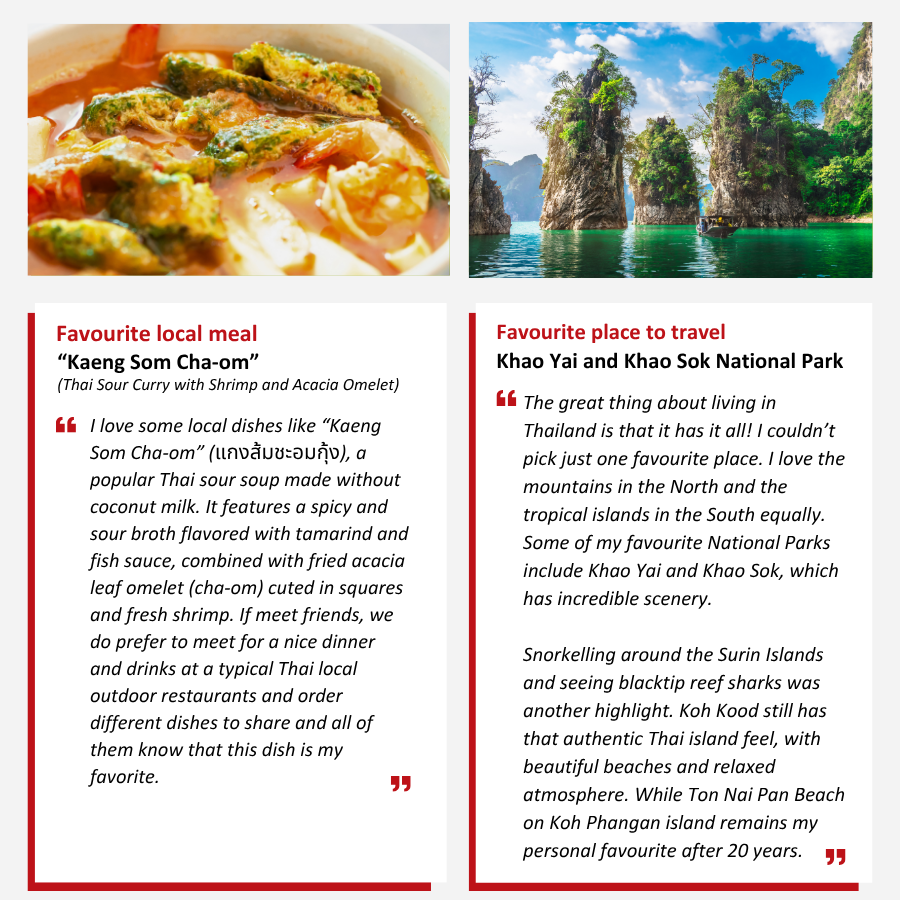
Some of the most memorable moments can be very simple: sharing a meal with a local family, exploring a neighbourhood market, having an iced coffee or Thai tea at a local café, or trekking through one of the country’s beautiful national parks. These experiences give travellers a chance to connect with the people, traditions and everyday life of Thailand.
When developing products, I often ask myself: if I were visiting Thailand for the first time, what would make me feel that I had genuinely connected with the country? That means looking beyond the obvious highlights and creating opportunities for human connection and discovery.
I also believe that seeing Thailand means experiencing its diversity. Bangkok is very different from Chiang Mai, the southern islands have a completely different rhythm from the northeast, and every community has its own stories, food and traditions. A great Thailand journey can combine the energy of Bangkok, the culture and nature of the north and time on the beautiful southern islands. Our role is to help travellers discover those differences in an authentic and respectful way.
How do you balance introducing travellers to Thailand’s iconic highlights while also encouraging exploration of lesser-known regions and communities?
The famous temples, beaches, markets and cities are iconic for a reason, particularly for first-time visitors. The opportunity is to use those experiences as a gateway to something deeper and lesser known.
A visit to the Grand Palace, for example, can be followed by a walking tour through a local neighbourhood, while a traditional temple tour could be combined with street food exploration by tuk-tuk later in the day.
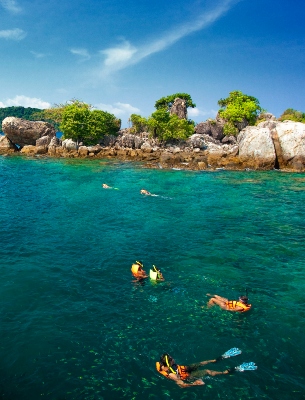
It is also about giving travellers a reason to go beyond the main tourist centres. That might be exceptional food, nature, crafts, wellness, festivals or a unique local tradition. For guests travelling to Phuket, for example, we can offer island-hopping extensions to less-visited islands in the Andaman Sea.
Slowing the itinerary down can make a real difference too. Spending three nights in Chiang Mai rather than two gives travellers more time to experience the destination and explore beyond the main attractions, while also creating more opportunities for local businesses to benefit.
Community-led experiences are particularly powerful because visitors meet the people who live there and hear their stories directly. At the same time, product design needs to cater to different levels of discovery. A first-time visitor may want the classic Thailand experience, while a repeat visitor may be ready for something more immersive.
Do you have specific criteria that a new product must meet before it is offered to clients?
Yes, before launching a new experience, it needs to be genuinely valuable to the traveller, commercially viable, responsible for the destination and operationally reliable.
We look at several things, including whether the experience has a genuine sense of place, whether it offers a clear reason for a traveller to choose it, and whether local communities, guides, producers or small businesses are meaningfully involved and benefiting.
Quality and safety are also essential. Our partners, guides, transportation and facilities need to meet the appropriate standards, with contingency plans where necessary. Traveller safety is non-negotiable.
We also need to know that each experience can be delivered consistently. A great concept is not enough if the timings, logistics, communication or service standards cannot be maintained.
Finally, we consider whether the product responds to a genuine traveller need, whether that is slow travel, wellness, food, nature or cultural immersion, and whether it can grow responsibly without losing what makes it special.
The final test is quite simple: would I confidently recommend this experience to someone who has travelled a long way to discover Thailand? If the answer is yes, and the experience is good for the traveller, the local community and the destination, then we have the foundations of a product worth bringing to market.
How do you keep clients informed about the latest destination developments and experiences available across Asia?
We share regular updates with our travel partners to keep them informed about new experiences and destination developments. Our quarterly product updates highlight newly developed experiences and destination news, which are shared with our overseas agents by email and through the Agent Hub.
We also feature new experiences in our monthly Asia Talk newsletter and regularly update the Agent Hub as new products are developed. This gives our partners an easy way to stay up to date with what is new and available across our destinations.
For more information about Thailand, get in touch with our team at [email protected]